
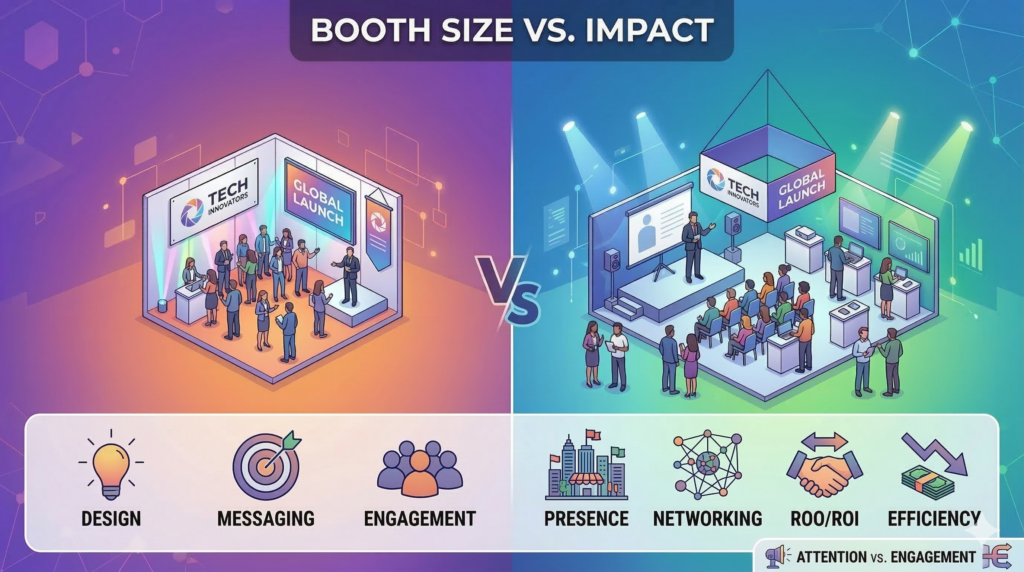
Trade shows force every brand to make the same decision early: what trade show booth size do we actually need?
It sounds like a simple budgeting question, but it is really a strategy decision. The booth space you choose affects how people see your brand, how your team interacts with prospects, how products are displayed, and how much return you can realistically generate from the event.
A bigger booth can absolutely create more visibility. But more square footage does not automatically mean more results. A smart 10×10 with strong messaging, clean sightlines, and confident staff can outperform a larger booth that feels cluttered or underused.
The goal is not to book the biggest space you can afford. The goal is to choose the booth size that best supports what you want to accomplish.
How to Choose the Right Trade Show Booth Size for Your Goals
Before comparing booth sizes, get clear on what success looks like for the show.
If your main goal is lead generation, you may not need a large footprint. A 10×10 or 10×20 booth often works well if the space is easy to enter, the branding is clear, and your team can have quick conversations.
If your goal is product demonstrations, you may need more room. Equipment, touchscreens, sample stations, and audience viewing space all influence the trade show booth dimensions you will need.
If the event is more about brand awareness, visibility matters more. In that case, a larger exhibit may help you create a stronger visual presence, especially if you want elevated signage, bold architectural elements, or an immersive brand environment.
If you are planning to host client meetings, partner conversations, or scheduled presentations, you will also need room for those interactions without forcing them into the middle of aisle traffic.
The key is simple: your booth size should match the type of experience you want to create.
Standard Trade Show Booth Sizes & Dimensions and What They Really Mean
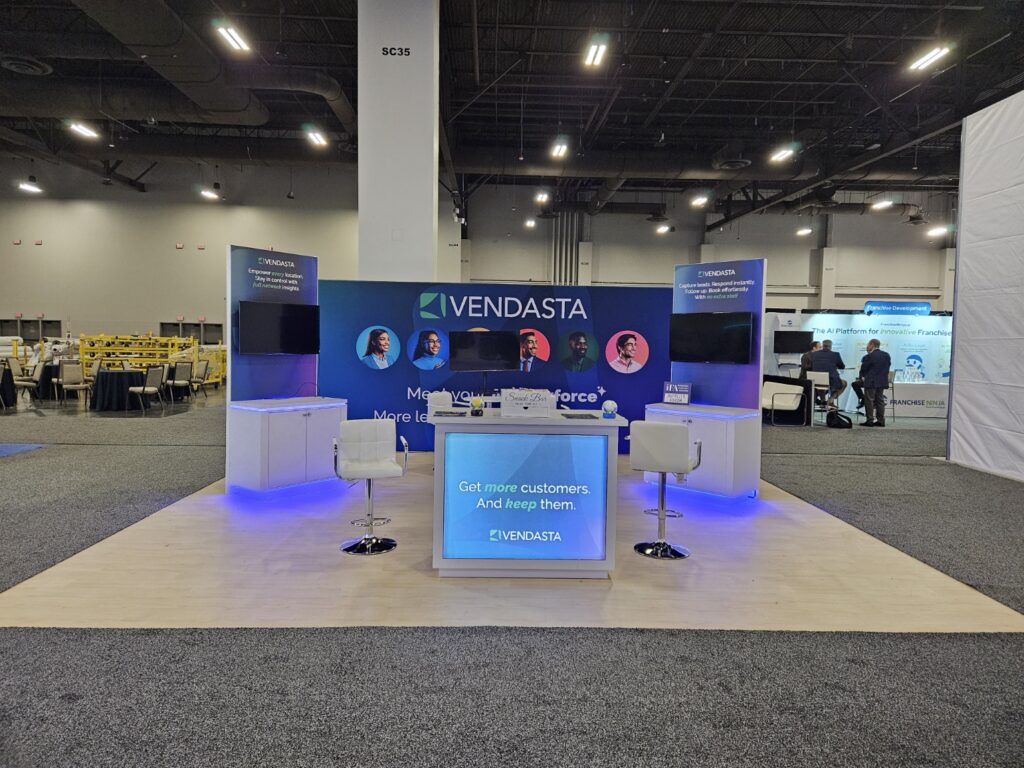
Most events offer a few common booth sizes, and understanding these helps when planning your trade show booth setup.
10×10 Booth
A 10×10 trade show booth is often considered the standard trade show booth size. With 100 square feet of booth space, it is the most common starting point for exhibitors.
It makes sense for companies that want to:
- test a new show or market
- generate leads through short conversations
- launch a focused message
- keep logistics and costs manageable
The challenge with a 10×10 is that every decision matters. There is no extra room to hide weak messaging or unnecessary clutter. But when designed well, even the smallest standard booth size trade show layout can feel sharp, focused, and effective.
10×20 Booth
A 10×20 booth gives you more breathing room without moving into a much more complex exhibit strategy.
It is often the sweet spot for brands that need:
- more product display space
- a dedicated demo area
- room for multiple conversations at once
- better traffic flow
For many companies, this booth size offers the best balance between impact and cost.
20×20 Island Booth
A 20×20 island booth changes the experience completely. With open access from all four sides, it naturally creates more opportunities for engagement and stronger visibility across the show floor.
Among the larger types of trade show booths, island exhibits allow companies to:
- make a stronger brand statement
- showcase multiple products or solutions
- build in meeting space
- create a more immersive experience
A larger footprint can be a real advantage, but only if you use it well. Empty space does not impress people. Purposeful space does.
Types of Trade Show Booth Layouts
Booth size is only one part of the decision. The types of booths available at an event also affect how your exhibit functions.
Common layouts include:
- Inline booths – arranged in a row and typically open on one side. These are common for smaller spaces like 10×10 or 10×20 booths.
- Peninsula booths – open on three sides and often positioned at the end of rows, creating more visibility.
- Island booths – accessible from all four sides and often used for larger custom exhibits.
Companies with more complex branding or larger footprints often invest in custom trade show booths designed specifically for their marketing goals.
Understanding these types of trade show booths helps you think beyond simple dimensions and focus on how attendees will interact with your exhibit.
Booth Layout Matters as Much as Booth Size
When companies talk about booth sizes, they often focus on square footage alone. But layout is what determines whether that space actually performs.
A smaller inline booth may be enclosed on three sides with access only from the front. An island booth is open on all sides. Some events also offer peninsula layouts or corner placements that change how people approach the exhibit.
These different types of booths matter because layout affects everything:
- how attendees enter the booth
- what they see first
- where demos happen
- how many conversations can happen at once
- whether the booth feels open or intimidating
This is why the real question is not just, “What trade show booth size should we book?” It is also, “How will people move through it?”
Match Your Trade Show Booth Size and Location to the Show Itsellf
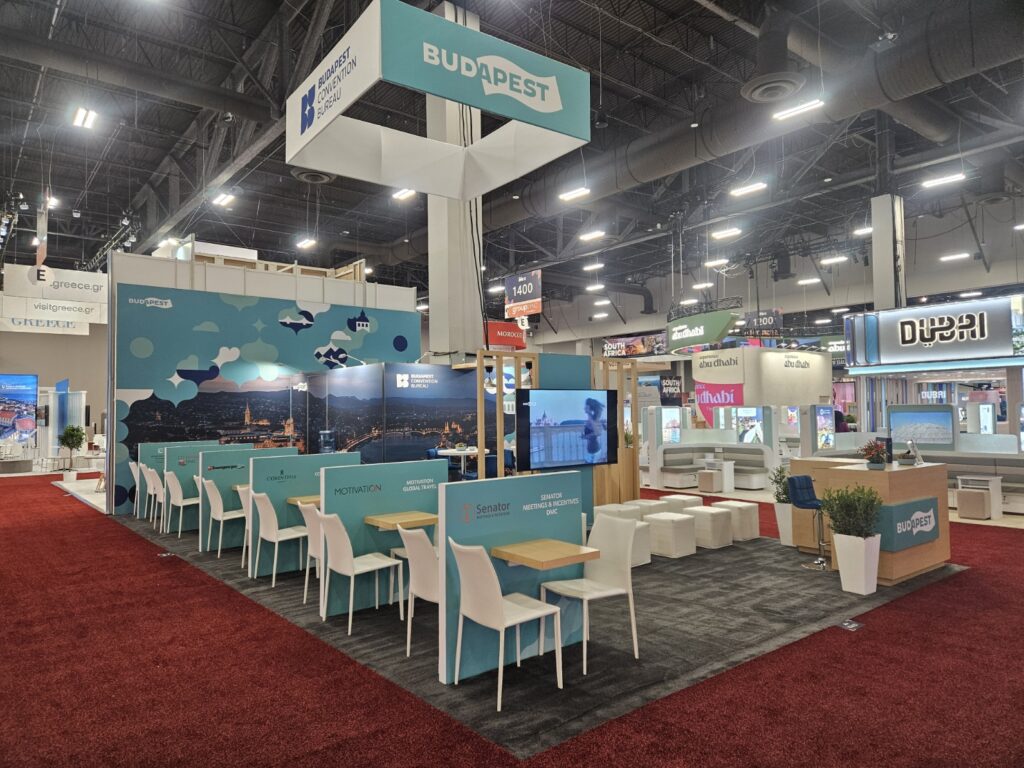
The right booth size can change from one event to the next.
A regional event may call for a smaller exhibit. A major national show may demand more visibility just to stay competitive on the floor. Booth location also plays a role. The best booth location at a trade show is often near intersections, entrances, or high-traffic aisles.
In some cases, a smaller booth in a strong location can outperform a larger booth placed in a quiet area.
The venue rules also matter. Height limits, accessibility guidelines, and installation rules can affect how your trade show booth setup is designed long before construction begins.
Think Beyond Rental Cost
One of the biggest mistakes exhibitors make is budgeting around floor space alone.
The booth fee is only the starting point. As booth sizes grow, so do the related costs:
- exhibit design and fabrication
- shipping and storage
- installation and dismantle
- furniture and flooring
- electrical and internet service
- labor and onsite supervision
- staffing and travel
That does not mean a larger booth is the wrong choice. It just means the decision should be made with the full cost picture in mind.
Sometimes the smarter move is not upgrading to a bigger booth space, but improving the experience inside the space you already have.
Relevant read: Is It Cheaper to Rent or Buy a Trade Show Booth?
Small Trade Show Booths Can Still Create Big Impact
This is where many exhibitors get it wrong.
They assume a smaller booth has to feel small.
It does not.
A compact booth can still stand out when the visual choices are strong and consistent. Elevated signage helps attendees spot you from farther away. Bold, readable graphics make your message clear in seconds. Strategic lighting adds visibility and polish.
Even within limited trade show booth dimensions, smart design can make the space feel intentional, confident, and memorable.
That is often the real difference between booth size and booth impact. Impact comes from clarity, not just scale.
Plan for Traffic Flow, Not Just Furniture
A booth should be built around visitor movement, not around what looks good in a rendering.
When planning your booth setup at a trade show, ask practical questions:
- Is it obvious where people should enter?
- Can someone understand the value proposition in a few seconds?
- Is there enough room for a demo without blocking traffic?
- Can your team speak with multiple visitors at the same time?
- Is there somewhere to continue a longer conversation without creating congestion?
Good traffic flow makes a booth feel more welcoming. Poor flow can make even a large booth feel awkward.
Don’t Forget the Functional Needs
It is easy to focus on branding and overlook the practical details that affect booth performance throughout the day.
You may need storage for literature, samples, giveaways, bags, or personal items. You may need power for screens, tablets, charging stations, or product demos. You may need a small seating area for more serious conversations.
These functional details influence how much usable booth space you really have.
Your Team Size Should Match the Space
Staffing matters more than many exhibitors expect.
Too many people in a small booth can make it feel crowded. Too few people in a large exhibit can make the space look empty and under-attended.
Your team size should feel proportional to the booth size so visitors can approach easily and conversations can happen naturally.
Trade Show Booth Size vs. Impact: What Actually Wins
The best booth is not the biggest one. It is the one that supports your goals, fits the event, works within your budget, and gives your team the right environment to engage people well.
A strong booth decision usually comes down to a few things:
- a clear objective
- the right booth layout for the event
- enough space for products and conversations
- strong visual presence
- practical planning for storage, power, and staffing
When those elements are aligned, your exhibit works harder for you, whether it is 100 square feet or 400.
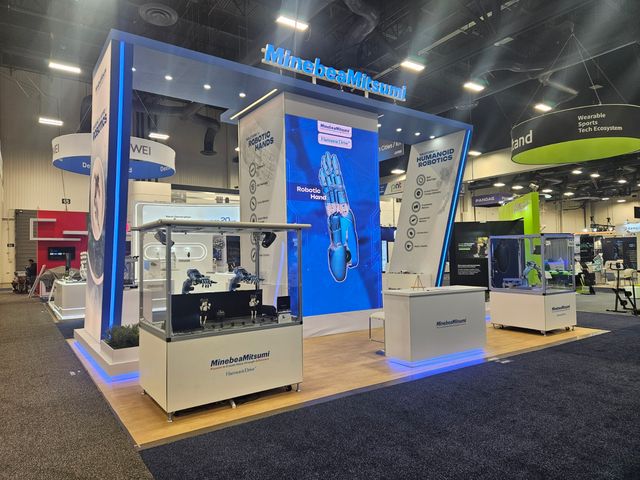
Final Thoughts on Choosing the Right Trade Show Booth Size
Choosing the right trade show booth size is really about choosing the right strategy. Bigger booths can increase visibility, but results come from how well the space supports interaction, messaging, and visitor flow.
For some companies, that will mean a focused 10×10. For others, it may mean a larger island exhibit designed for demos and meetings. Either way, the goal is the same: make every square foot count.An experienced exhibit partner like Prime Exhibits can help you evaluate booth sizes, layouts, and design options so your next trade show delivers stronger results.
FAQ: Trade Show Booth Sizes and Setup
What is the standard booth size at a trade show?
The most common standard trade show booth size is 10×10, which equals about 100 square feet of booth space. It is popular because it is affordable, simple to manage, and flexible for lead generation, product displays, and basic brand messaging.
How can you make your trade show booth stand out?
To make a trade show booth stand out, focus on clear branding, strong graphics, good lighting, and an open layout that invites visitors in. Interactive demos and proactive staff engagement can attract more attention than booth size alone.
What are common trade show booth mistakes?
Common mistakes include overcrowding the booth space, using cluttered messaging, bringing too many staff into a small booth, or ignoring visitor flow. A successful trade show booth setup should stay clear, accessible, and easy for visitors to engage with.
What should you avoid when booking a booth at a trade show?
Avoid choosing booth space without reviewing the floor plan and traffic patterns. Some locations receive far less visibility. Also check venue rules like height limits, power access, and installation requirements before confirming your trade show booth setup.
How do you attract people to your trade show booth?
Visibility is key. Clear messaging, bold graphics, and well-placed signage help attendees quickly understand what you offer. Live demonstrations, product samples, and an inviting booth layout can also increase traffic.
How much does it cost to set up a booth at a trade show?
The cost of a trade show booth setup varies based on booth size and design. A basic 10×10 may cost a few thousand dollars, while larger custom exhibits can reach tens of thousands once shipping, installation, staffing, and travel are included.