
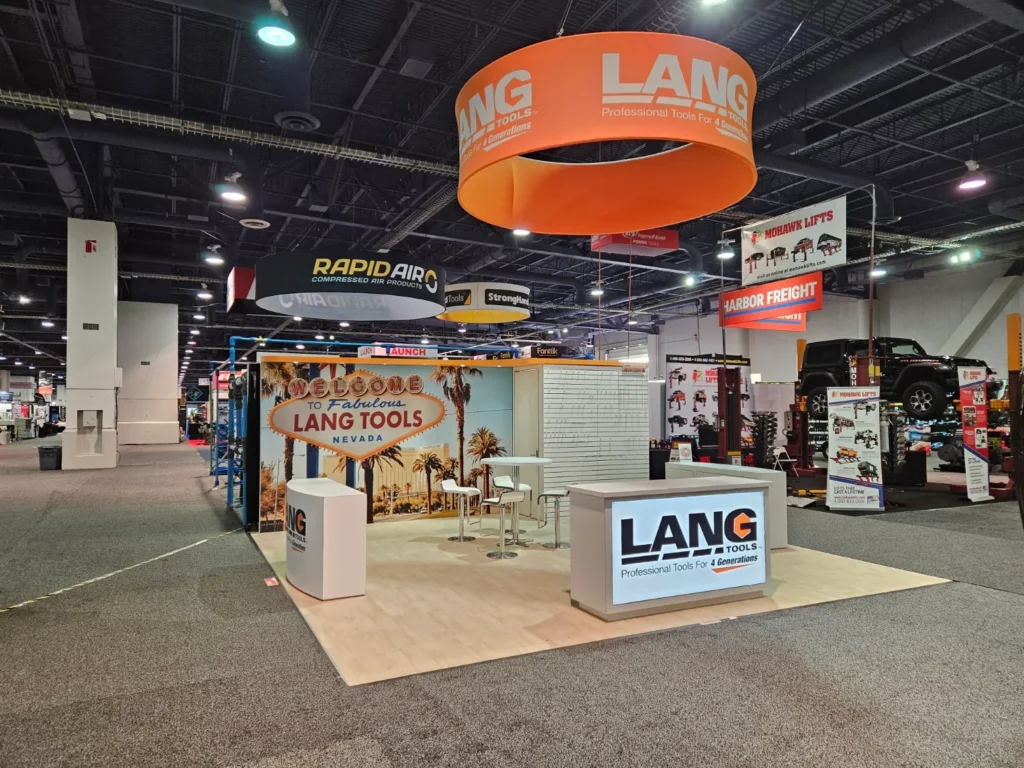
Trade shows look simple from the outside. Reserve the space, build the booth, print the handouts, and show up.
In reality, most exhibitors underperform because of small, overlooked details. That is where a proper trade show checklist makes the difference.
What Is a Trade Show?
A trade show is a live event where companies in a particular industry exhibit their products or services, meet buyers, build relationships, and stay visible in the market. For exhibitors, it is part marketing, part sales, and part brand positioning.
That face-to-face aspect is what makes trade shows different from most digital marketing channels. Visitors can see your product, ask questions in real time, compare options, and get a feel for your brand in a way a website alone cannot always deliver.
Why Should Brands Attend Trade Shows?
A well-chosen show can do several jobs at once. It can generate leads, strengthen brand awareness, launch a product, reconnect with existing customers, and open doors with distributors or partners.
But showing up is not enough. A crowded booth does not automatically mean a successful event. Trade show results come from planning the right way, not just attending.

How Can You Prepare for a Trade Show as a First-Time Exhibitor?
First-time exhibitors often make one of two mistakes. They either over-focus on the booth and ignore the process behind it, or they over-plan small details and never define what success looks like.
The better approach is to keep things simple and strategic. Start with your goal. Are you trying to generate qualified leads, launch a product, or simply introduce your brand to the market? Once that is clear, you can make smarter decisions about booth size, messaging, staffing, handouts, giveaways, and follow-up.This is also where booth rentals can make sense. They offer flexibility, lower upfront cost, and a faster way to get started.
Why Should You Create a Trade Show Planning Checklist?
Because trade shows create a lot of moving parts very quickly.
Even experienced teams miss things when tasks live in different emails, spreadsheets, and conversations. A strong trade show planning checklist keeps the event organized in stages. It helps you make better decisions early, avoid preventable mistakes later, and build a repeatable process you can improve from one show to the next.
The real value of a checklist is not just remembering what to bring. It is remembering what matters.
If you are using an Exhibitor Appointed Contractor, ensure all documentation and approvals are completed in advance. Access timing and credentialing should be confirmed before arriving on site.
Pre-Show Trade Show Checklist
Most of the real work happens before the event starts. If this phase is rushed, the show usually feels rushed too.
Set Your Goals First
Before finalizing the booth or ordering materials, define what you want the event to do for the business.
Your goals might include:
- Generate qualified leads
- Book product demos
- Launch a new product
- Meet distributors or partners
- Increase brand visibility in a target industry
Once that is decided, your team can align the rest of the event around those goals.
Build Your Trade Show Strategy
Your strategy should answer a few basic questions:
- Who do you want to attract?
- What do you want them to remember?
- What action do you want them to take?
- How will you measure success?
A good booth does not just look impressive. It makes your message easy to understand and gives visitors a reason to engage.
Lock in Booth Planning Early
This is where your trade show booth checklist starts to take shape.
Make sure you have:
- Booth size and location confirmed
- Booth layout approved
- Graphics and messaging finalized
- Demo areas planned
- Storage needs considered
- Power and internet requirements reviewed
Promote Before the Event
Many exhibitors wait for foot traffic instead of creating demand ahead of time. That is a mistake.
Pre-show promotion can include:
- Emailing prospects and customers
- Posting on LinkedIn and other social channels
- Booking meetings before the event
- Publishing a booth announcement on your website
- Sharing a product demo schedule
- Inviting warm prospects to stop by
Even a few pre-booked conversations can make the event much more productive.
Train Your Booth Staff
A beautiful booth cannot save a weak booth team.
Before the show, make sure staff know:
- Your key message
- Who is your ideal visitor
- How to start conversations
- How to qualify leads
- How to handle common questions
- How to record notes after each interaction
A lot of exhibitors treat staffing like a detail. It is not. The people in the booth are the experience.
Prepare Logistics Early
This is the part that gets forgotten until something goes wrong.
Your trade show exhibitor checklist should include:
- Shipping schedule
- Install and dismantle times
- Required forms and deadlines
- Electrical and internet orders
- On-site contact list
- Hotel and travel details
- Return shipping instructions
- Backup tools and adapters
Trade Show Booth Checklist
This is the more practical side of your exhibition checklist. It is the part people usually think of first, but it works best when it supports a clear strategy.
Booth Setup Essentials
- Booth structure and hardware
- Printed graphics and signage
- Tables, counters, and seating
- Shelving or literature racks
- Lighting
- Flooring if needed
Technology and Demo Items
- Laptops or tablets
- Screens or monitors
- Product demo devices
- HDMI cables and adapters
- Chargers and power strips
- Extension cords
- Backup batteries
Marketing Materials
- Business cards
- Brochures
- One-pagers
- Product sheets
- QR codes for digital downloads
- Giveaway items
- Branded handouts
Lead Capture Tools
- Lead retrieval app or scanner
- Digital form or tablet
- Notebooks and pens as backup
- Simple lead tags such as hot, warm, and cold
- Follow-up notes template
Small Items People Forget
- Tape
- Zip ties
- Scissors
- Box cutter
- Screen wipes
- Stain remover pen
- Mints
- Water
- Snacks
- Portable charger
These smaller items rarely make the headline planning document, but they often save the day.
During-Show Checklist
Once the show begins, the goal is simple: stay focused and make the booth easy to engage with.
Booth Performance Checklist
- Arrive early
- Test every screen and device
- Make sure the booth is clean and stocked
- Keep messaging clearly visible
- Greet visitors proactively
- Ask questions instead of waiting to pitch
- Record lead notes immediately
- Refill materials throughout the day
- Hold a quick team recap at the end of each day
A busy booth feels good, but what matters is whether the right people are stopping, engaging, and moving to the next step.
Trade Show Tips for Exhibitors During the Event
A few things make a big difference on the floor:
- Do not sit and wait for people to approach
- Do not overwhelm visitors with a long pitch
- Do not hand out materials before understanding interest
- Do not collect names without context
- Do focus on short, useful conversations
- Do note what each prospect actually cared about
- Do keep energy high even during slower periods
Small habits change outcomes.
Post-Show Checklist
This is the stage many brands underestimate. The booth comes down, everyone is tired, and momentum disappears. That is exactly why follow-up must already be planned before the show starts.
Immediate Post-Show Checklist
- Organize all leads
- Segment by priority
- Send follow-up emails within a few days
- Share promised information quickly
- Assign leads to the right sales contacts
- Schedule next-step calls or demos
- Connect on LinkedIn where appropriate
Review and Improvement Checklist
- Compare results against your original goals
- Count qualified leads, not just total scans
- Review which messages got the strongest response
- Identify what questions came up most often
- Note any booth or logistics issues
- Update your checklist for the next event
How Can You Make Your Own Trade Show Checklist?
A useful checklist should match your goals, booth type, team size, and event schedule. Start with three sections:
- Pre-show
- During-show
- Post-show
Then break each section into the tasks that matter most for your team. Add deadlines. Assign ownership. Keep it clear enough that someone can actually use it under pressure.
The best trade show preparation process is not the most complicated one. It is the one your team will follow.
Final Thoughts
The trade show checklist most brands forget is not one hidden item. It is the habit of thinking beyond the booth itself.
Yes, you need the booth structure, the signage, the handouts, and the chargers. But you also need the less visible pieces: clear goals, pre-show promotion, trained staff, a lead capture system, and a follow-up plan.
That is what turns a standard trade show checklist into one that actually helps exhibitors perform better.
And that is what most brands forget.