
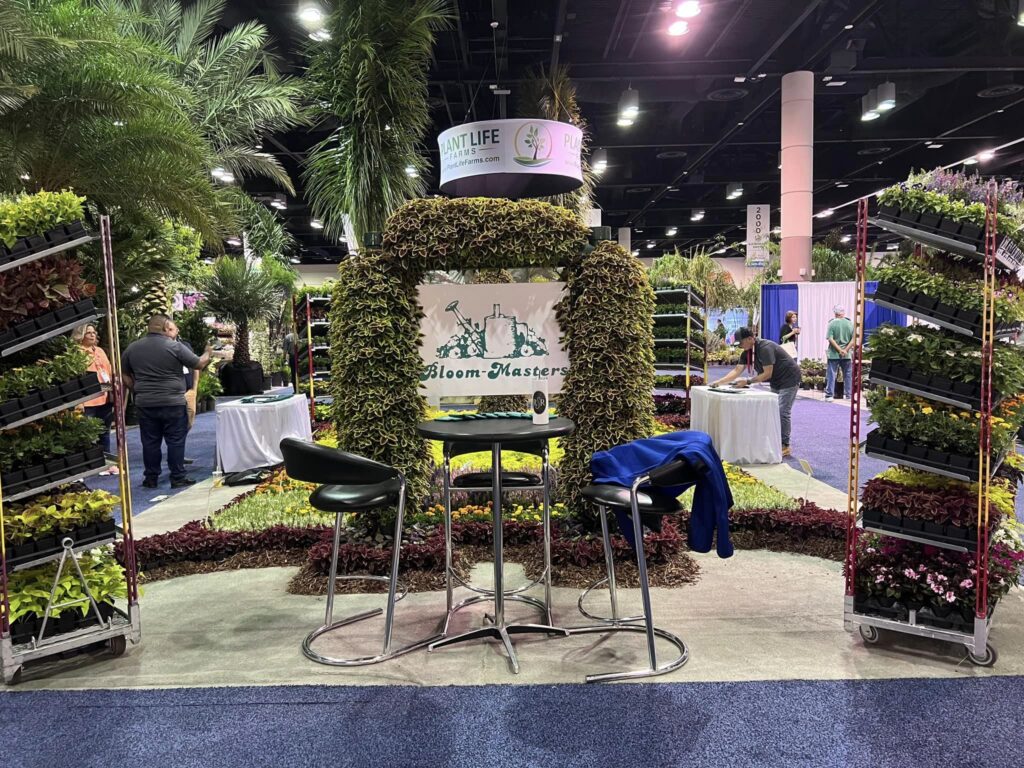
You spent real money on the space, the booth, and the travel, and the aisle in front of you stays quiet while the booth two spots down pulls a crowd. Low trade show booth traffic feels like bad luck, but it almost never is. It usually comes down to a handful of specific, fixable reasons, and most of them are visible from the aisle before the show floor even opens.
This guide walks through the real causes of a quiet booth and what to do about each one. Diagnose first, then fix. That order matters more than any single tactic.
Key Takeaways
- Most booth traffic problems trace back to five causes: unclear messaging, a booth that does not stand out, a closed-off layout, disengaged staff, or nobody knowing you would be there.
- Attendees decide whether to stop within a few seconds and from around twenty feet away, so your booth has to communicate at a distance.
- More traffic is not the goal. The right traffic is. Tactics like giveaways can fill the aisle with people who will never buy.
- Almost every fix is something you control: your headline, your design, your layout, your team, and your pre-show outreach.
First, Diagnose the Problem From the Aisle
Before you change anything, walk away from your booth and look at it the way an attendee will. Stand about twenty feet back, in the flow of traffic, and give it three seconds. That is roughly how long you get.
Ask three plain questions. Can you tell what the company does? Is there a reason to walk over? Does anything pull your eye in? If the answer to any of these is no, you have found at least part of your problem, and you have found it without spending another dollar.
Most exhibitors skip this step. They judge the booth from inside it, where they already know the brand, the products, and the pitch. The attendee knows none of that. The rest of this guide is a checklist for that walk.
Reason 1: People Cannot Tell What You Do
The most common reason a booth gets skipped is that nobody walking by can figure out what you offer. A giant logo is not a message. Unless you are a household name, your company name tells a stranger nothing about why they should care.
Your booth needs one clear headline, readable from across the aisle, that says what you do or what problem you solve. Not a tagline. Not a clever slogan. A plain statement a stranger understands instantly.
Keep the hierarchy simple:
- One dominant headline that states the value, high and large enough to read from twenty feet.
- One supporting line, if needed, that adds specifics.
- Everything else, secondary.
When the message is buried in paragraphs of text or hidden below eye level, people keep walking. They are not going to work to understand you.
Reason 2: Your Booth Does Not Stand Out
If the message is clear but traffic is still thin, the next suspect is visual presence. Show floors are loud, bright, and crowded. A booth that is dim, flat, or low, disappears into the noise.
Lighting is the fastest fix most exhibitors overlook. A well-lit booth reads as open and active. Backlit graphics, spotlights on key products, and lit headers pull the eye from a distance in a way that ambient hall lighting never will.
Height and sightlines matter too. If your neighbors have tall backwalls and hanging signs and you have a tabletop, you are invisible from more than a few feet away. You do not need the biggest structure in the hall, but you need enough vertical presence to be seen over the crowd.
Then there are the graphics themselves. Faded, cluttered, or dated visuals quietly signal that the company behind them is the same. Sharp, large-format visuals do the opposite. This is where booth design and quality trade show booth graphics earn their cost. They are working before anyone reaches you.
Reason 3: Your Layout Keeps People Walking
Sometimes the booth looks good and people still will not enter. Usually the layout is the barrier, and often it is a literal one.
A counter or table across the front of your space is a wall. It tells people to stop at the edge, not come in. The most inviting booths keep the front open and draw visitors into the space, with product and activity set back so there is a reason to step in.
A few layout mistakes quietly kill traffic:
- A reception counter blocking the entrance instead of sitting off to the side.
- Every inch packed with product, leaving no clear path or breathing room.
- Seating and demos pushed to the back where nobody can see them from the aisle.
- No obvious focal point, so the eye has nowhere to land.
A good design plans entry points, sightlines, and traffic flow on purpose. Getting the right booth size for your goals helps here too, since a space that is too small for what you are trying to do will always feel cramped and closed.
Reason 4: Your Team Is Driving People Away
You can fix every physical problem and still stand in an empty booth if the people in it are sending the wrong signal.
Attendees read booth staff instantly. A group of reps talking to each other reads as a closed circle. Someone sitting, eating, or staring at a phone reads as unavailable. Arms crossed, back to the aisle, buried in a laptop: every one of these tells a passerby to keep moving.
The fix costs nothing. Have staff stand, face the aisle, and stay off their phones. Open with a real question instead of “how are you today,” which only invites a polite “just looking.” Rotate people so nobody burns out, and never leave the booth unstaffed. A booth is only as inviting as the person standing in it.
Reason 5: Nobody Knew You Would Be There
Plenty of empty booths were empty before the doors opened, because the exhibitor treated the show itself as the whole plan. Most attendees map their day in advance. If you are not on their list, you are counting on luck.
Two things move this. First, promote your presence before the show. Email your customers and prospects, post on the channels your audience actually uses, and always include your booth number so people can find you. A few weeks of lead time makes a real difference.
Second, booth position matters more than exhibitors admit. A spot near a main entrance, a food area, or a busy keynote room draws more foot traffic than a corner tucked behind larger builds. The best positions go early, so book your space well ahead and weigh visibility when you choose it.
Chasing Traffic Versus Attracting the Right Visitors
Here is the part most advice skips. More bodies in the booth is not the goal. The right bodies are.
This is why giveaways deserve caution. A raffle for a popular prize will absolutely draw a crowd, but much of that crowd is there for the prize and gone the moment they drop a card in the bowl. You get a busy booth and a stack of junk leads. If you run a giveaway, tie it to something only a real prospect would want, and make a short conversation part of the entry.
Judge your booth on qualified conversations, not aisle headcount. A booth with ten of the right people is beating the booth next door with fifty of the wrong ones. Design and messaging aimed at your actual buyer will naturally filter for the visitors worth having.
How to Turn It Around Before the Next Show
If your booth is underperforming, work the causes in order, because the cheap fixes are often the ones that move the needle most.
- Fix the message first. Add one clear headline that says what you do.
- Get the booth seen. Add lighting, height, and clean graphics.
- Open the layout. Clear the front and give people a reason to step in.
- Prep the team. Standing, facing out, off phones, opening with real questions.
- Promote ahead. Tell people you will be there and where to find you.
Some of this you can handle in-house before the next event. The structural pieces, design, layout, lighting, and graphics, are where an experienced exhibit partner pays for itself, since those decisions are hard to reverse once the booth is built. Whether you rent or buy, a booth built around visibility and traffic flow from the start is far easier to work than fixing a quiet one on the floor. Prime Exhibits handles trade show booth rentals and custom builds with exactly that in mind, from design through setup.
Frequently Asked Questions
How far in advance should I promote my booth?
Aim for at least three weeks out. Announce your presence, send personal invitations to key prospects, and repeat the message closer to the date. Always include your booth number in every communication.
What is the single fastest way to get more booth traffic?
Fix your headline. A clear, readable statement of what you do, placed high and large, does more for traffic than almost anything else and costs the least.
Are giveaways worth it for driving traffic?
They can be, but they attract volume, not always quality. Tie any giveaway to your actual product or audience so you draw real prospects instead of freebie seekers.
Does booth size affect how much traffic I get?
It can, but position, design, and messaging matter more than raw square footage. A well-designed smaller booth in a good spot will out-draw a large, poorly planned one.